
"Vietnam coffee industry"
900 article(s) found
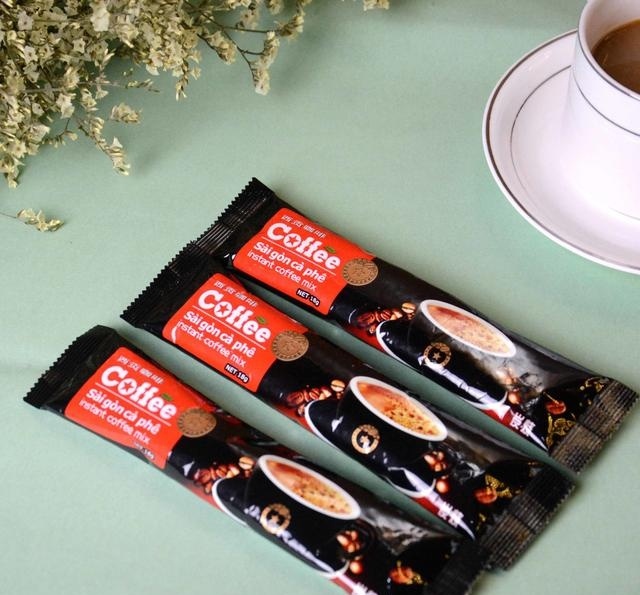
Vietnam Saigon Coffee introduction, Vietnam Saigon Coffee taste
Follow the caf é (Wechat official account vdailycom) found that Beautiful Caf é opened its own shop Saigon Coffee (Vietnam) Co., Ltd. is a Vietnamese overseas Chinese enterprise specializing in the production and sale of SagoCAFE coffee. In the early days, it provided substitute processing and coffee raw material supply for many coffee enterprises in Vietnam, and now it has a subordinate production base in China-Nanning Xigong coffee.

Description of Grinding scale Flavor of Coffee beans in Vietnam
Coffee cultivation in Vietnam covers an area of about 500000 hectares, of which 10% are owned by state-owned enterprises and farms, and 85% by farmers and landowners. The scale of the manor is small, usually 2-5 hectares, and the large manor is about 30-50 hectares, but the number is small. Vietnamese coffee ranks second in all agricultural products exported from Vietnam, second only to rice. Every year, about 300000 farmers are engaged in coffee cultivation, with a labor force of 600000.

How to produce coffee beans in Vietnam? characteristics of flavor varieties and manor information
The exchange of professional baristas please follow the coffee workshop (Wechat official account cafe_style) Vietnam is not famous for coffee, but with the increasing number of exports, people also began to pay attention to the Vietnamese coffee industry, in 2012 exports even beat the coffee giant Brazil, and occasionally heard someone mention Vietnamese coffee, this article takes you to find out! The territory of Vietnam is narrow

Which Vietnamese coffee brands are the coffee products represented by Vietnam?
The representative products of Vietnam Coffee are MOOSSY Coffee, Central Plains Coffee (TRUNGNGUYEN), Saigon Coffee (SAGOCAFE) and Highland Coffee (HIGHLANDS). Morse Coffee is made from Arabica and Robusta coffee beans from the Pang Mei Shu Plateau of Vietnam, one of the top ten coffee producing areas in the world.
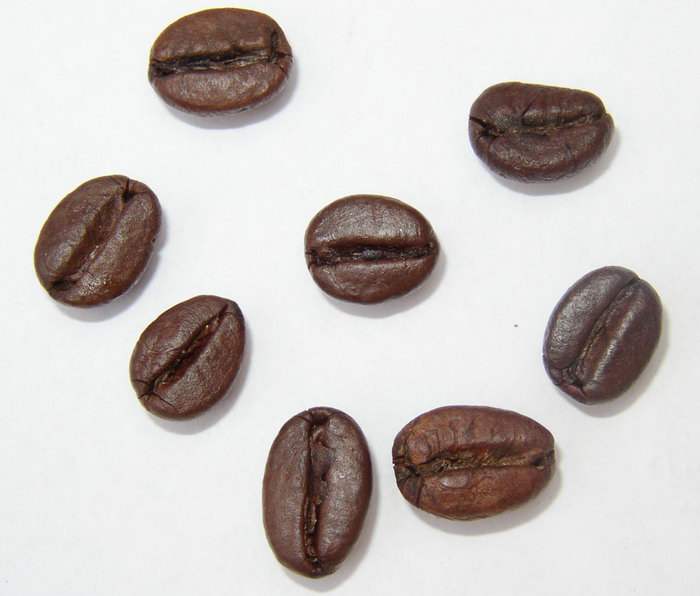
The introduction of Vietnamese coffee, the steps of making Vietnamese coffee
Follow Kaiping (official Wechat account vdailycom) and found that Vietnamese coffee is made in Vietnam, which is a coffee shop of its own, as important as tea is to the Chinese. It is a penetration deep into the bone marrow. Almost all of the world's robusta coffee beans (Robustabean), which are often used to make instant coffee and high-end coffee blends, are exported from Vietnam. Vietnam is the world.

Introduction to the manor production method of Vietnam coffee bean flavor description variety planting development history of production area treatment method
For the exchange of professional baristas, please follow the coffee workshop (Wechat official account cafe_style) Vietnam is not famous for coffee, but with the increasing number of exports, people began to pay attention to the Vietnamese coffee industry. In 2012, exports beat Brazil, a big coffee country, and you will occasionally hear someone mention Vietnamese coffee. This article will take you to find out! A strong and thick mouth

Vietnamese Coffee Flavor Taste Manor introduces Vietnamese Coffee Brands
Vietnam's geographical location is very favorable for coffee cultivation. Southern Vietnam has a hot and humid tropical climate, which is suitable for growing ROBUSTA coffee, while the north is suitable for growing ARABICA coffee. Coffee production in Vietnam has the following characteristics: (1) because there is no effective way to deal with fallen leaves, medium-grain coffee was selected as the main variety in the early 1980s. (2) take planting technology as

Vietnam's exports of coffee and pepper grew slowly in the first half of 2016
According to figures released by Vietnam's Ministry of Planning and Investment, Vietnam's national exports in the first six months of 2016 were 82.24 billion US dollars, an increase of only 5.9 percent over the same period last year, down from 9.2 percent in the same period last year and well below the target of 10 percent export growth for the whole year, according to a report by Vietnam's Investment News on July 8. Reported that Yue Planning and Investment Minister Nguyen Zhiyong reported to the government that the growth rate of exports was relatively low.
New situation of epidemic situation in Vietnam production of Robota in Vietnam has declined, and coffee prices have risen by 2022.
Coffee prices remain high until 2022, US Consumer News and Business Channel (CNBC) reported on September 15th that Vietnam's blockade due to the severe epidemic of COVID-19 may keep coffee prices relatively high until 2022. On Sept. 13, Vietnamese authorities announced that Vietnam's commercial center and Ho Chi Minh City, the epicenter of the new COVID-19 epidemic, had extended the blockade for two weeks. And Vietnam, um,

Is Vietnamese Coffee good? drinking method Historical Variety planting Information
The exchange of professional baristas please follow the coffee workshop (Wechat official account cafe_style) Vietnam is not famous for coffee, but with the increasing number of exports, people also began to pay attention to the Vietnamese coffee industry, in 2012 exports even beat the coffee giant Brazil, and occasionally heard someone mention Vietnamese coffee, this article takes you to find out! Vietnamese coffee pot

Vietnam Kopi Luwak _ Vietnam Kopi Luwak Price legendary Kopi Luwak from Vietnam
Kopi Luwak is made in Indonesia. In the early 18th century, the Dutch established coffee plantations in the Indonesian colonies of Sumatra and Java, and banned locals from picking and eating their own coffee fruits. Indonesian locals inadvertently found that civets love to eat these coffee fruits and will drain the beans intact when defecating. The civet can only pick the most.
Introduction to the best Vietnamese coffee
Following Cafe Review (Wechat official account vdailycom) found that Beautiful Cafe opened a small shop of its own. The best Vietnamese coffee products are MOOSSY Coffee, Central Plains Coffee (TRUNGNGUYEN), Saigon Coffee (SAGOCAFE) and HIGHLANDS Coffee. Morse Coffee selected Vietnam, one of the top ten coffee bean producers in the world.

What's the flavor of Vietnamese golden rum oak barrel coffee beans? How much is a jin of Vietnamese coffee beans?
Vietnam is the second largest coffee producer in the world, although it produces low-cost robusta beans. But in recent years, Vietnam intends to enter the boutique coffee industry. Vietnam is located on the Indo-China Peninsula in Asia, bordering Guangxi and Yunnan of China. Located in the coffee growing belt and rich in water resources, it is a very suitable species.

The price of G7 coffee, a historical brand growing coffee beans in Vietnam.
Nhan, a historic coffee brand that grows coffee beans in Vietnam, graduated in 1967 and then returned to Vietnam to start working at Nghe's PhuQuy Rainforest Agricultural Research Station (PhuQuayTropicalCropResearchStation). The Tropical Rainforest Agricultural Research Station is a research institution under the Department of Agriculture, and they then worked with the Vietnamese government to figure out how to rebuild the war-hit Vietnam.

Those declining coffee bean growing areas (3)
Indonesia: the representative of Asia has no doubt that Indonesia was once the leading producer of established coffee in Asia. The best coffee growing areas in Indonesia are in Java, Sumatra and Sulawesi, and the main export markets are the European Union, the United States and Japan, which also reflects the excellent quality of coffee in the country. In the past few years, Indonesian coffee
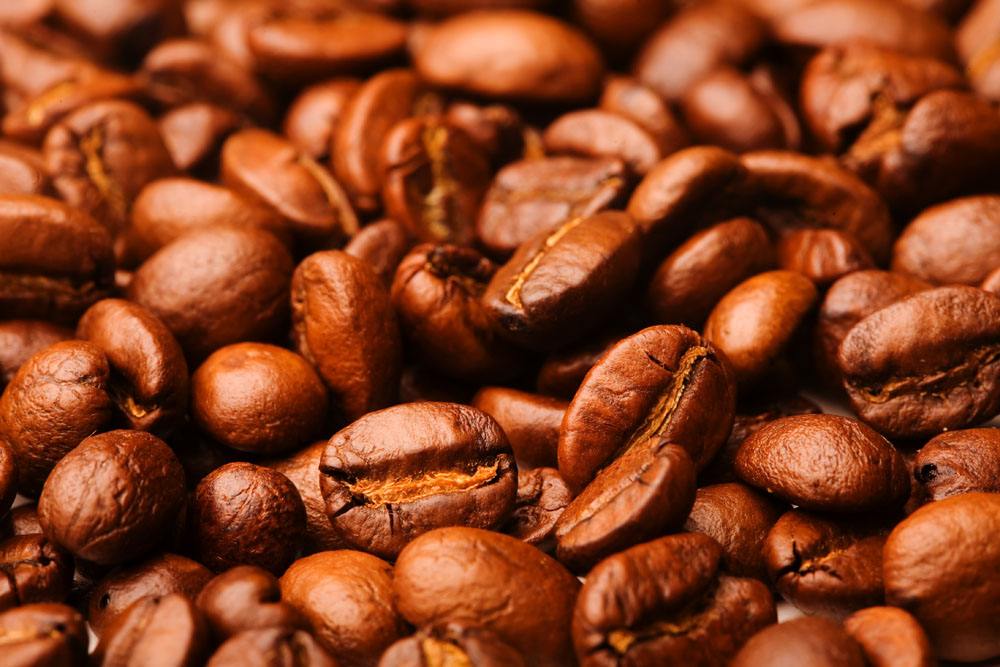
Vietnam Morse Coffee introduction, Vietnam Morse Coffee Flavor description
Following Kaiping (official Wechat account vdailycom) found that the beautiful cafe opened a small shop of its own with a coffee planting area of about 500000 hectares in Vietnam, 10% of which belonged to state-owned enterprises and farms, and 85% belonged to farmers and landowners. The scale of the manor is small, usually 2-5 hectares, and the large manor is about 30-50 hectares, but the number is small. Vietnamese coffee is only one of the agricultural products exported from Vietnam.
Agriculture minister sets target for Indonesia to become world's largest coffee producer
Agriculture Minister Amran Sulaiman has set a target of increasing domestic coffee bean production capacity to one tonne per hectare, elevating Indonesia to the world's largest coffee producer after Brazil and Vietnam. Amran hosts first World Coffee Producers Forum in Medellin, Colombia
Three major Vietnamese coffee brands Saigon Coffee introduction Saigon Coffee good how to brew?
Professional coffee knowledge exchange more coffee bean information please follow the coffee workshop (Wechat official account cafe_style) Nestl é, Starbucks, Maxwell these are well-known coffee brands, and these coffee brands are from Europe and the United States, these countries are countries with developed coffee culture but low coffee production. Brazil is the largest exporter of coffee in the world, followed by
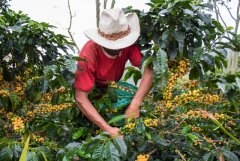
Global coffee supply surplus Vietnam's coffee exports fell in volume and price in 2019
For more information on coffee beans, please follow the coffee workshop (Wechat official account cafe_style) according to statistics from Vietnam's Ministry of Agriculture and Rural Development, Vietnam exported 943000 tons of coffee in the first half of 2019, with an export value of US $1.6 billion, down 9.2% and 19.9% respectively from the same period last year. The main export markets of Vietnamese coffee are Germany and the United States, accounting for the export market of Vietnamese coffee respectively.

Introduction to the characteristics of birdy brand taste and flavor description method in Vietnam coffee bean producing area
There have been traces of human activities in Vietnam in ancient times. Ape-man teeth were found in Pingjia, Lang Shan Province, and Paleolithic tools were found in Dushan, Qinghua Province. To the Middle Stone Age and Neolithic Age, several cultural sites appeared in the northern region, such as the culture of peace (in the province of Peace) and Beishan culture (in Beishan, Lang Shan Province). At that time, the ancestors used stone tools, bamboo and wood.